Mole Removal
In Atlanta, GA Dr. Alexandra Hart




Moles are common, but deciding to remove one is deeply personal.
Whether prompted by cosmetic concerns, irritation, or medical necessity, mole removal at Dr. Alexandra Hart Plastic Surgery is approached with surgical precision, aesthetic judgment, and respect for your skin’s long-term health.
Located in Atlanta, Dr. Hart offers in-office mole removal using meticulous techniques designed to minimize scarring while preserving natural skin contours. Selecting a board-certified plastic surgeon like Dr. Hart to perform your treatment ensures both medical safety and a refined cosmetic outcome.
Board-certified plastic surgeon Dr. Alexandra Hart offers precise mole removal with a focus on both health and aesthetics. Each lesion is carefully evaluated and removed using techniques that prioritize skin health, symmetry, and minimal scarring. We invite you to schedule a private consultation to discuss the safest, most refined approach for your skin.
Treatment Goal: Remove benign or suspicious moles safely while preserving the surrounding skin and minimizing visible scarring.
Surgical Expertise: All mole removals are performed by Dr. Hart, a board-certified plastic surgeon with advanced training.
Techniques: Methods may include surgical excision or desiccation with radiofrequency, depending on the mole’s type, depth, and location.
In-Office Procedure: Performed under local anesthesia in a private, boutique clinical setting.
Recovery: Minimal downtime with clear aftercare instructions to support optimal healing.

Mole removal is a minor surgical procedure used to eliminate benign or suspicious skin lesions for cosmetic improvement, comfort, or diagnostic evaluation.
While some moles are harmless, others may change in size, shape, or color over time, making professional evaluation essential.
At Dr. Hart’s Atlanta practice, each lesion is assessed for medical relevance, depth, border characteristics, and aesthetic impact before a personalized treatment plan is created. When appropriate, removed tissue may be sent for evaluation to ensure your long-term skin health.
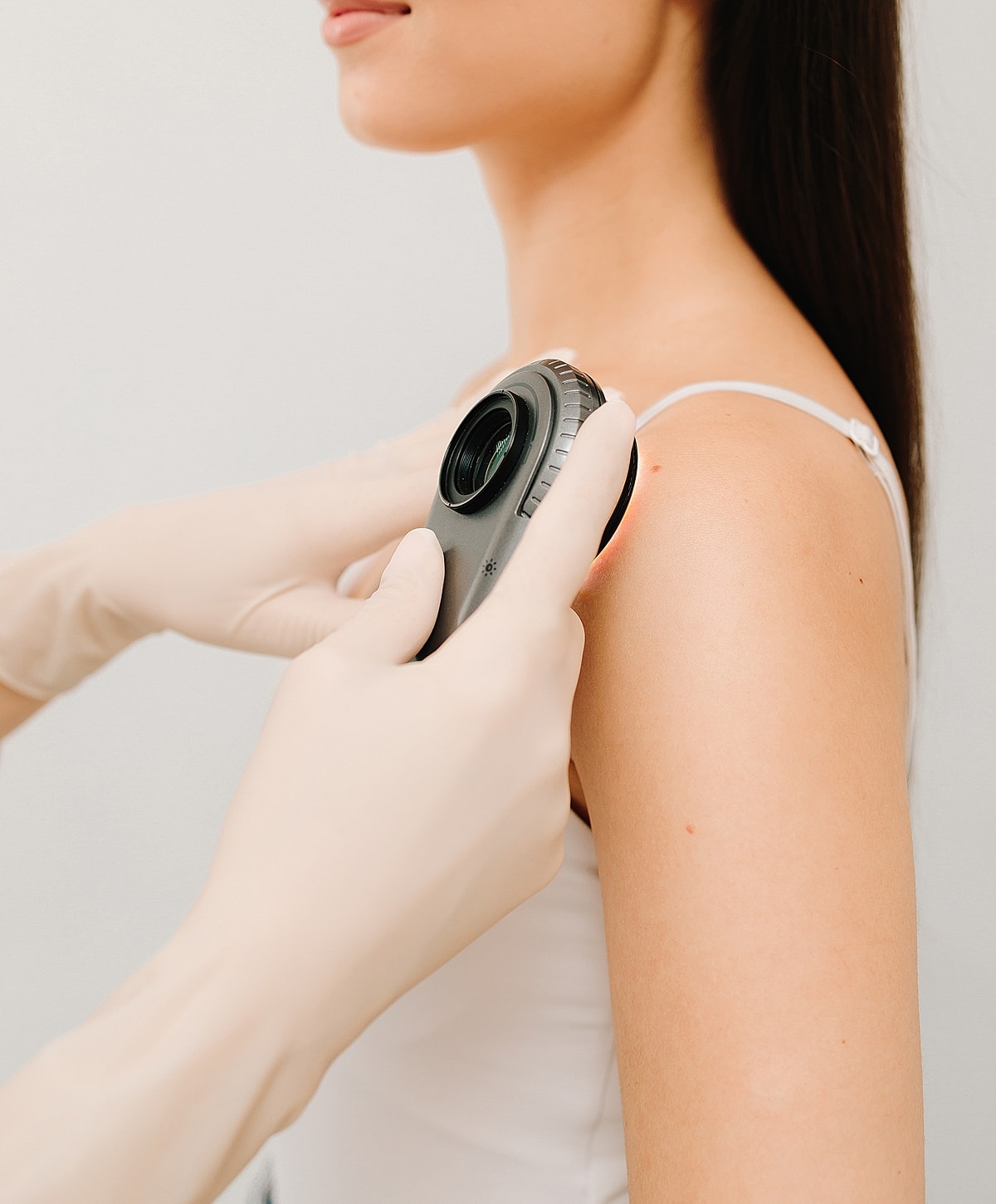
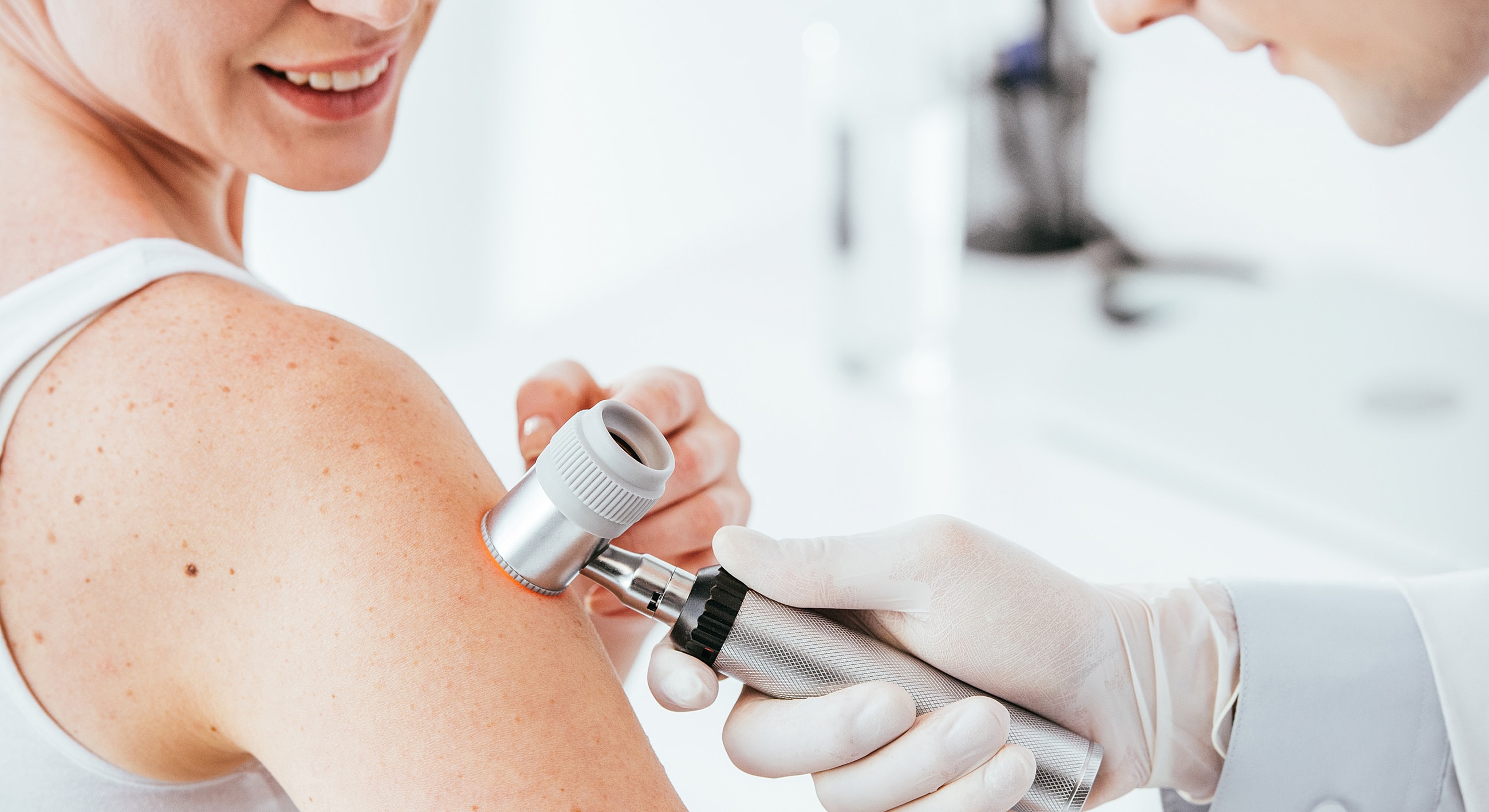
Your visit begins with a focused skin evaluation and discussion of your goals. Dr. Hart examines the mole’s size, depth, location, and characteristics to determine the most appropriate removal method. The area is numbed using a local anesthetic for comfort.
Depending on the mole, Dr. Hart may perform:
Continue
Your Atlanta mole removal procedure typically takes 15 to 45 minutes, depending on the number and complexity of lesions. When sutures are required, they are placed with precision to encourage smooth healing and subtle scars.

Mole removal may be performed for both medical necessity and cosmetic preference. With mole removal Atlanta patients may be recommended treatment for:
In summary, mole removal addresses a range of concerns, from suspicious lesions requiring medical attention to benign growths that affect comfort or appearance.
Special care is taken in highly visible areas, such as the face, to maintain natural skin texture and appearance.
Dr. Hart commonly treats moles on the:

Mole removal offers both cosmetic and health benefits, beginning with the peace of mind that comes with expert evaluation and appropriate medical management of each lesion.
With care guided by surgical training and experience, patients can feel secure knowing both their health and aesthetics are prioritized. Dr. Hart uses advanced techniques designed to minimize visible scarring, ensuring the most refined cosmetic outcome possible.
Mole removal in Atlanta is appropriate for most healthy adults who have benign or suspicious moles they wish to remove, whether for comfort, cosmetic reasons, or medical necessity. During your consultation, Dr. Hart will review your medical history, examine the lesion, and determine whether removal is recommended and how best to proceed.

Recovery following mole removal is typically straightforward and well-tolerated.
Immediately After: Mild redness, swelling, or tenderness at the treatment site is normal.
Activity: Most patients return to normal activities the same day. Strenuous exercise may be limited briefly depending on the location of the removed mole.
Aftercare: You will receive detailed instructions on wound care, sun protection, and scar optimization.
Healing Timeline: Initial healing occurs within 1 to 2 weeks, with scar maturation continuing over several months.

Once healed, the treated area appears smoother and more uniform with the surrounding skin.
When pathology is performed for surgical excision, the results are carefully reviewed and discussed with you in detail.
While any skin procedure can leave a mark, Dr. Hart’s surgical approach is designed to make scars as discreet as possible, especially in visible areas.

Mole removal may seem simple, but outcomes depend on precision, technique, and judgment.
Dr. Alexandra Hart brings the perspective of an experienced board-certified plastic surgeon, ensuring every procedure is handled with surgical rigor and aesthetic intent.
In our boutique Sandy Springs practice, your care is never rushed, delegated, or treated as routine. Each mole removal reflects the same precision, discretion, and attention to detail that define Dr. Hart’s approach to all facial and skin procedures.
Mole removal is typically very well tolerated. Dr. Hart uses a local anesthetic to numb the area before treatment, so most patients feel little to no discomfort during the procedure. Mild tenderness or tightness afterward is common and usually resolves within a few days.
Any procedure that removes skin has the potential to leave a scar, but Dr. Hart’s surgical techniques are specifically chosen to minimize visible scarring. Incisions are carefully placed and closed to blend naturally with the surrounding skin, especially in facial or highly visible areas. With proper aftercare, scars often fade significantly over time.
Most mole removal procedures take between 15 and 45 minutes, depending on the size, depth, location, and number of moles being treated. The appointment includes evaluation, numbing, removal, and detailed aftercare instructions.
If a mole appears irregular, has changed over time, or raises medical concern, Dr. Hart may recommend sending the removed tissue for pathological evaluation. This ensures accurate diagnosis and supports long-term skin health. Pathology decisions are made on a case-by-case basis.
Yes. Many patients choose mole removal purely for cosmetic reasons, especially when a mole is raised, prominent, or affects facial balance. Dr. Hart approaches cosmetic mole removal with precision, care, and focused attention on aesthetics.
Initial healing usually occurs within 1 to 2 weeks, depending on the treatment method and location. Redness gradually fades, and scar maturation continues over several months. Dr. Hart provides personalized aftercare guidance to support optimal healing and aesthetic results.